Years of “Mystery Symptoms” That Doctors Couldn’t Explain
Ever since I hit my thirties, my body had been sending me distress signals I couldn’t decode. Waking up feeling like I’d been hit by a truck, that inevitable afternoon energy crash, persistent skin issues, and mood swings that seemed to come out of nowhere.
My primary care physician ran test after test, only to tell me, “Everything looks normal.” I tried multivitamins, invested in expensive skincare routines, and even signed up for a gym membership. Nothing seemed to address the root cause. I was starting to think, “Maybe this is just what being in your thirties feels like.”
Then one day over lunch, a coworker casually mentioned, “I’ve been doing this gut health thing lately, and honestly, I feel amazing.” That one offhand comment ended up changing my life.
“The Second Brain” – A Mind-Blowing Discovery
Curiosity got the better of me, and I dove down the rabbit hole of gut health research. What I discovered absolutely blew my mind.
Your gut contains approximately 100 million nerve cells – second only to your brain. That’s why scientists call it “the second brain.” But here’s the kicker: about 90% of our body’s serotonin – that feel-good hormone we all crave – is actually produced in the gut!
It hit me like a ton of bricks. My mental fog, my chronic fatigue, my unexplained mood swings – could they all be linked to my gut health?
Here in the US, gut microbiome research is exploding, with studies connecting gut health to everything from autism and depression to obesity and autoimmune conditions. The more I read, the more convinced I became that this was the missing piece of my health puzzle.
The Three Pillars of Gut Health: Probiotics, Fiber, and Prebiotics
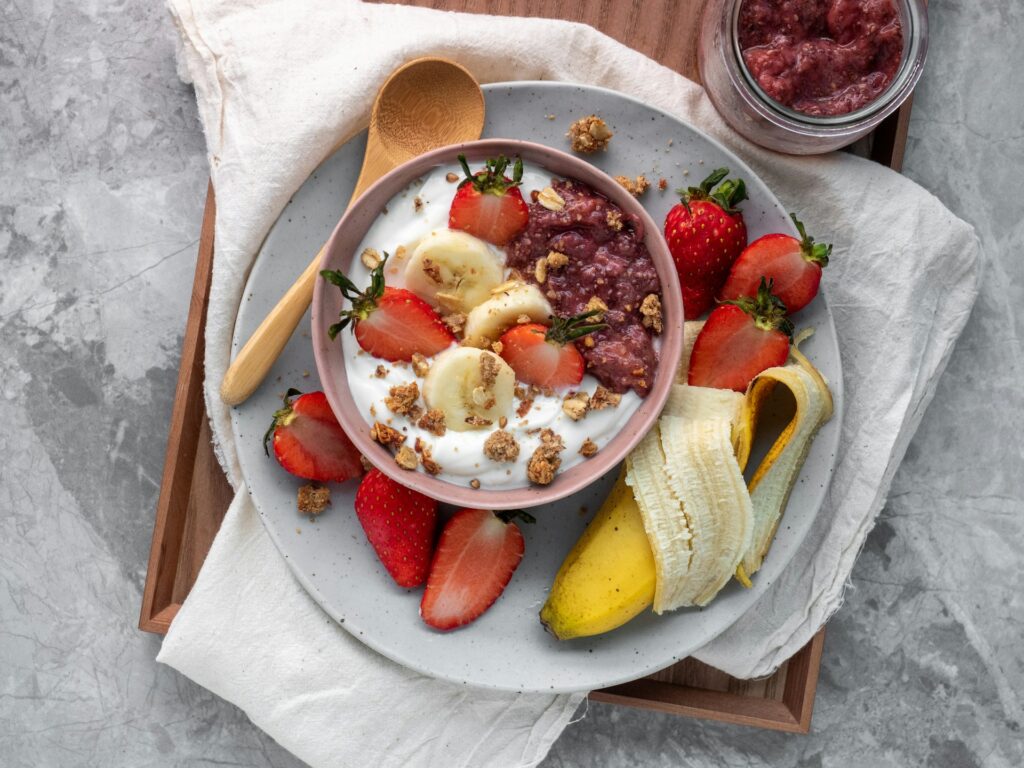
As I dove deeper into gut health, I learned that there are three essential elements to maintaining a healthy gut microbiome.
1. Probiotics (The Good Bacteria) These are the beneficial microorganisms living in your gut. Names like Lactobacillus and Bifidobacterium might ring a bell. When these good guys dominate your gut, they help with digestion, support your immune system, and keep harmful bacteria in check.
2. Fiber (Prebiotics) This is essentially “food” for your good bacteria. By consuming fiber-rich foods, you feed and strengthen the beneficial bacteria already living in your gut. Let’s be honest – the typical American diet heavy on meat, cheese, and refined carbs doesn’t exactly prioritize fiber. I was definitely guilty of this.
3. Oligosaccharides Another favorite food for your good bacteria. Found in bananas, onions, garlic, and asparagus, these compounds specifically help beneficial bacteria flourish.
Balancing these three elements is the secret to cultivating a thriving gut microbiome.
My Daily Meal Plan for Gut Health
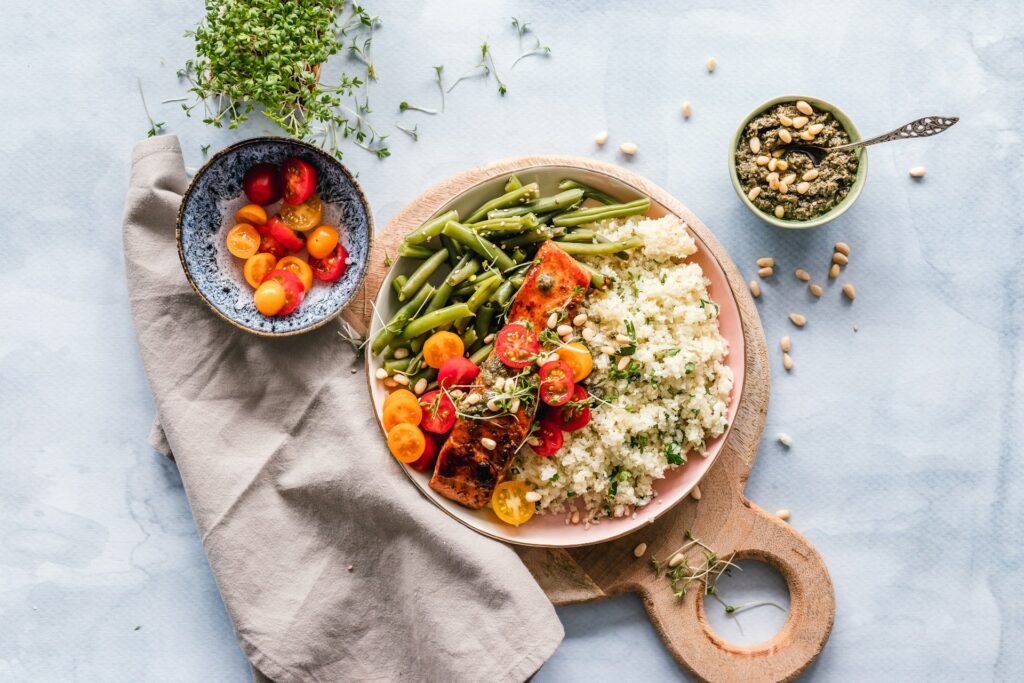
Understanding the theory was one thing, but putting it into practice was another challenge entirely. So I created a simple approach: make gut-friendly choices at every meal. The key was progress, not perfection.
Breakfast Ideas:
- Greek yogurt (probiotics) topped with berries and granola
- Banana and spinach smoothie
- Whole grain toast with avocado
Lunch Ideas:
- Quinoa bowl loaded with vegetables (hello, fiber!)
- Grilled chicken with roasted veggies
- Side of kimchi or sauerkraut (fermented goodness)
Dinner Ideas:
- Grilled salmon or tuna
- Steamed broccoli and sweet potato
- Miso soup (miso is an incredible fermented food!)
For snacks, I’d reach for kombucha, kefir, raw nuts, or fresh fruit.
The first week required conscious effort, but by week two, choosing gut-friendly options became second nature.
Navigating the Fermented Foods Aisle

American supermarkets have really stepped up their fermented foods game lately. But with so many options, how do you choose?
My Top 5 Fermented Foods:
1. Greek Yogurt / Kefir Look for labels that say “Live and Active Cultures.” Skip the sugar-loaded flavored varieties and go for plain – you can add your own fruit or honey for sweetness.
2. Kimchi You’ll find authentic versions at Korean markets, but Whole Foods and Trader Joe’s carry quality options too. Always grab it from the refrigerated section and look for unpasteurized varieties.
3. Sauerkraut This German fermented cabbage is a gut health powerhouse. Again, stick to the refrigerated section. Those shelf-stable jarred versions have typically been heat-treated, which kills off the beneficial bacteria.
4. Kombucha This fizzy fermented tea is everywhere now. GT’s and Health-Ade are popular brands. It’s got a tangy, slightly vinegary taste with natural carbonation. It might be an acquired taste, but once you’re hooked, you’re hooked!
5. Miso Available at Asian markets and many mainstream grocery stores, miso is incredibly versatile. Use it for soup, salad dressings, or marinades. Pro tip: Don’t let your miso soup boil – high heat kills those precious probiotics!
Golden Rules for Choosing Fermented Foods:
- Simple ingredient lists (minimal additives)
- Refrigerated storage
- NOT labeled as “Pasteurized”
- Organic is a bonus
Lifestyle Habits That Beat Any Supplement

I’ll be honest – my first instinct was to just buy a probiotic supplement and call it a day. But the more research I did, the more I realized that relying solely on supplements wasn’t the answer. A holistic approach to lifestyle changes proved far more effective.
My Daily Gut Health Routine:
Morning Routine (7:00 AM):
- Start with a glass of room-temperature water
- 15 minutes of light stretching or yoga
- Breakfast that includes fermented foods
Throughout the Day:
- Take walking breaks during work (aids digestion)
- Drink 8+ glasses of water
- Practice deep breathing when stressed (stress is gut health enemy #1!)
Evening Routine (9:00 PM onward):
- Finish dinner at least 3 hours before bed
- Phone goes off 1 hour before sleep
- Aim for 7-8 hours of quality sleep (sleep deprivation disrupts gut bacteria balance)
Weekend Habits:
- Try new fermented or prebiotic-rich foods
- Make time for stress-relieving hobbies
- Get outside and walk in nature (exercise + mental reset)
What I Cut Back On:
- Excessive alcohol (limited to 2-3 drinks per week)
- Artificial sweeteners (they mess with gut bacteria)
- Fast food and junk food (once a week max)
- Unnecessary antibiotic use (always discuss with your doctor)
The Dramatic Transformation After 3 Months

Three months into my gut health journey, the changes were undeniable.
- Waking up felt effortless
- That afternoon energy crash? Gone
- My skin cleared up dramatically (friends started asking about my skincare routine!)
- Mood swings leveled out – I felt emotionally stable
- Digestive issues and bloating disappeared
- I naturally dropped 3 pounds without trying
But the best part? Those “mystery symptoms” that had plagued me for years just… vanished. That inexplicable “blah” feeling was replaced with genuine energy and vitality.
Final Thoughts: Progress Over Perfection

The most important lesson from my gut health journey? You don’t need to be perfect.
I still enjoy pizza with friends on weekends. I indulge in chocolate on stressful days. And that’s totally okay. If you’re making good choices 80% of the time, you can enjoy yourself the other 20%.
Healing your gut isn’t an overnight transformation. But small, consistent changes add up to profound results over time.
If you’re struggling with unexplained health issues like I was, I encourage you to take a closer look at your gut health. It just might be the game-changer you’ve been searching for.
Your gut health is your wealth.
This blog is based on personal experience. If you have serious health concerns, please consult with a healthcare professional.